


Keywords Matter for SEO and digital marketing ? Definitely yes, Have you ever wondered why some websites appear on the first page of Google while others seem impossible to find? The answer often starts with one simple thing. Keywords. If you’re new to SEO and Digital Marketing, you’ll hear this word almost everywhere. Blogs talk about it. SEO experts mention it all the time. Even Google Ads campaigns depend on it. At first, it might sound a little technical. But honestly, keywords are much easier to understand than most people think. Imagine you’re looking for the best pizza near your home. What would you type into Google?
Maybe something like:
- Best pizza near me
- Pizza shop in Nagpur
- Cheese pizza delivery
Those search terms are keywords. Every day, billions of people type words and phrases into search engines. Businesses that understand those keywords have a better chance of reaching the right audience. That’s why keywords matter so much. Let’s understand everything step by step.
What Are Keywords?
A keyword is a word or phrase that people enter into a search engine to find information, products, or services.
For example:
If someone searches:
- Digital marketing course in Nagpur
- Best laptop under ₹50,000
- How to learn SEO
- Healthy breakfast recipes
Each search query contains one or more keywords. Think of keywords as a bridge. They connect what people are searching for with the content you create. Without that connection, Google may struggle to understand what your page is about.
Why Keywords Matter for SEO and Digital Marketing
Keywords help search engines understand your content. When Google knows what your page is about, it becomes easier to show your content to people searching for that topic. That’s only one part of the story. Keywords also help you understand your audience. Instead of guessing what people want, you can see the exact words they’re typing into Google. That information is valuable. Here’s why keywords matter.
They Help People Find Your Website
Imagine you’ve written an amazing article about email marketing. If you never mention terms people actually search for, Google may not connect your article with those searches. The result? Very few visitors. Now imagine you naturally include relevant keywords throughout your article. Google has a much better understanding of your content. That increases your chances of appearing in search results.
They Bring the Right Audience
Getting traffic is great. Getting the right traffic is even better. Let’s compare two visitors. Person A searches: “Marketing”
Person B searches: “Best digital marketing course for beginners” Which visitor is more likely to enroll in a course?
Probably the second one. Specific keywords attract people with clear intent. That’s why keyword research matters.
They Improve Content Planning
Sometimes you don’t know what to write about. Keywords solve that problem. Suppose you teach SEO. Keyword research may reveal that people are searching for:
- On-page SEO checklist
- Technical SEO guide
- Local SEO tips
- SEO interview questions
Now you have several useful blog ideas based on real searches. You’re creating content people actually want.
How Search Engines Use Keywords
Many beginners believe Google simply counts how many times a keyword appears. That used to be closer to the truth years ago. Today, search engines are much smarter.
Google looks at:
- The topic of your page
- Search intent
- Content quality
- User experience
- Helpful information
- Related words and phrases
For example, if your article is about SEO, Google also expects to see words like:
- Search engine
- Rankings
- Website
- Organic traffic
- Content
- Search results
Everything works together. That’s why stuffing the same keyword into every paragraph doesn’t help anymore. In fact, it can hurt your content.
Types of Keywords
Not every keyword works the same way. Understanding the different types helps you create better content.
Short-Tail Keywords
These contain one or two words.
Examples:
- SEO
- Marketing
- Laptop
- Shoes
They usually have high search volume. They also have high competition. Ranking for them can be difficult.
Long-Tail Keywords
These are longer and more specific.
Examples:
- Best SEO course for beginners
- Digital marketing classes in Pune
- Affordable running shoes for men
Long-tail keywords usually attract visitors who already know what they’re looking for. Many beginners focus on these because they’re often easier to rank for.
Local Keywords
Local businesses depend on these.
Examples:
- SEO company in Nagpur
- Digital marketing institute near me
- Best dentist in Pune
These keywords help businesses reach nearby customers.
Informational Keywords
People use these when they want to learn something.
Examples:
- What is SEO?
- How does Google ranking work?
- Why are keywords important?
These keywords are excellent for blog articles.
Transactional Keywords
These show buying intent.
Examples:
- Buy SEO course online
- Digital marketing course fees
- Enroll in SEO training
Visitors using these searches are usually closer to making a decision.
What Is Keyword Intent?
One thing many beginners overlook is search intent. Search intent simply means the reason behind a search. Let’s look at a few examples. Someone searches:
“What is SEO?”
They’re looking for information. Now someone searches: “Best SEO course near me”They’re ready to compare courses. Someone searches: “Join digital marketing course today” They’re much closer to enrolling. Even though all three searches mention SEO, the intention is completely different. Understanding this helps you create content that answers exactly what people need.
Why Keyword Research Is So Important
Imagine opening a restaurant without knowing what people like to eat. Sounds risky, right? Creating content without keyword research is similar.
Keyword research helps you discover:
- What people are searching for
- How often they search
- Which topics are popular
- How difficult a keyword is
- What questions people ask
Instead of writing random articles, you’re creating content based on real demand. That saves time. It also gives your content a better chance of reaching the right audience.
Real-Life Example
Let’s say you own a digital marketing training institute. You write an article called: “Learn Modern Marketing Skills” Sounds fine. But very few people search for that exact phrase. Now imagine you write: “Best Digital Marketing Course in Nagpur” or “How to Start a Career in SEO and Digital Marketing” These topics match what people actually search for. That’s the power of choosing the right keywords. You aren’t changing the quality of your content. You’re simply speaking the same language your audience uses.
How to Choose the Right Keywords
Finding keywords isn’t difficult. Finding the right keywords is where the real work begins. Many beginners choose keywords with the highest search volume because they think more searches mean more traffic. Sometimes that’s true. But not always. If you’re running a new website, targeting highly competitive keywords can make it difficult to rank. A better approach is to look for keywords that match your audience and your content.
When choosing keywords, ask yourself:
- What is my audience searching for?
- Does this keyword match my content?
- Can I answer this search better than other websites?
- Is the keyword relevant to my business?
The more relevant your keyword is, the better your chances of attracting visitors who are genuinely interested in your content.
How to Do Keyword Research
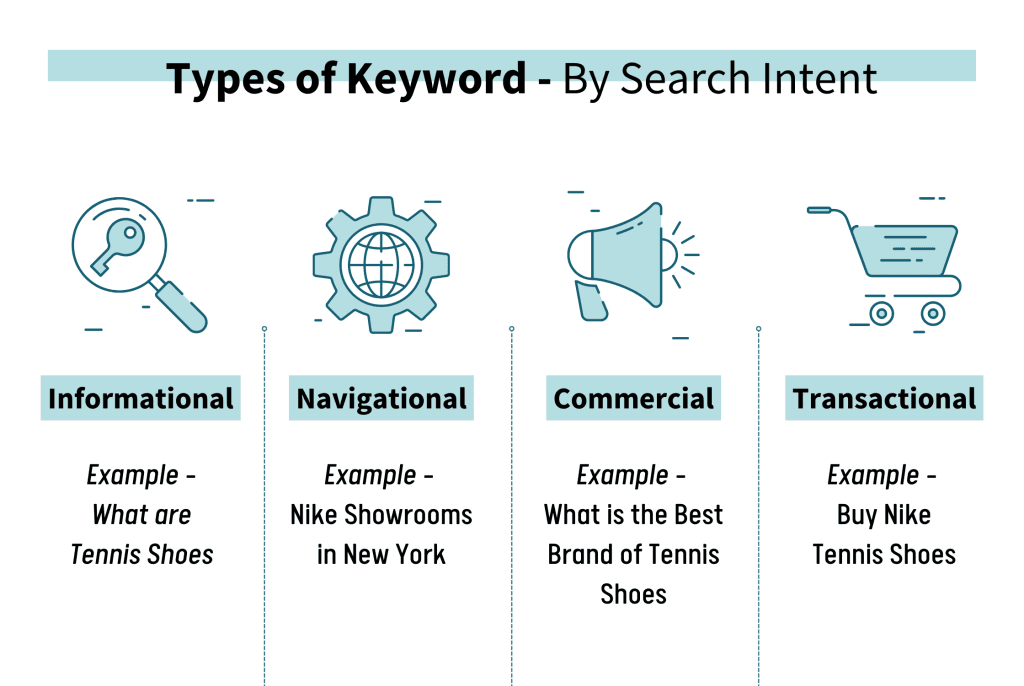
Keyword research is the process of finding the words and phrases people search for online. You don’t need expensive software to get started. There are plenty of free tools that can help. Here’s a simple process.
Step 1: Start with a Basic Topic
Suppose your topic is SEO.
Write down related ideas such as:
- SEO for beginners
- On-page SEO
- Technical SEO
- Local SEO
- SEO tools
These become your seed keywords.
Step 2: Use Keyword Research Tools
Enter your topic into a keyword research tool.
You’ll discover:
- Related keywords
- Monthly search volume
- Competition level
- Related questions
This gives you dozens of new content ideas.
Step 3: Understand Search Intent
Before choosing a keyword, think about why someone is searching for it.
For example:
“What is keyword research?” The person wants to learn. “Best keyword research tools” They’re comparing options. “Buy SEO software” They’re ready to make a purchase. Creating content that matches the search intent is just as important as choosing the keyword itself.
Best Keyword Research Tools
You don’t need every SEO tool on the market. Start with a few reliable options.
Google Keyword Planner
A free tool that helps you discover keyword ideas and estimated search volume.
Best for:
- Beginners
- Google Ads planning
- Keyword ideas
Google Search
Google itself gives you useful keyword suggestions. Try typing a keyword into the search bar. You’ll notice autocomplete suggestions. Scroll to the bottom of the results page, and you’ll also see related searches. These ideas come directly from real users.
Google Search Console
If you already have a website, Google Search Console shows the keywords people are using to find your pages. This helps you improve existing content instead of always creating new articles.
Ahrefs
Ahrefs is one of the most popular SEO tools. It provides detailed information about:
- Keyword difficulty
- Search volume
- Competitor keywords
- Backlinks
Many SEO professionals use it every day.
SEMrush
SEMrush offers similar features.
It also helps with:
- Competitor research
- Content ideas
- Position tracking
- Site audits
Ubersuggest
A beginner-friendly tool that provides keyword ideas, SEO suggestions, and content inspiration.It’s simple to use and has both free and paid features.
Where Should You Place Keywords?

Choosing the right keyword is only half the job. You also need to place it naturally throughout your content. Here are the most important places.
Page Title
Your primary keyword should appear in the title whenever it makes sense.
Example:
Why Keywords Matter for SEO and Digital Marketing
URL
Keep URLs short and descriptive.
Example: yourwebsite.com/why-keywords-matter
Meta Description
Include your main keyword naturally while encouraging users to click.
Introduction
Mention your primary keyword within the first few paragraphs.
This helps readers and search engines understand your topic.
Headings
Use your keyword or related phrases in some of your H2 and H3 headings. Don’t force it. Keep it natural.
Body Content
Mention your keyword where it fits naturally Instead of repeating the same phrase over and over, use related words.
For example, if your keyword is SEO and Digital Marketing, you might also mention:
- Search engine optimisation
- Organic traffic
- Website ranking
- Search visibility
- Content marketing
This improves readability and helps search engines understand your topic.
Image Alt Text
If your images relate to your keyword, describe them clearly in the alt text. This also improves accessibility.
Common Keyword Mistakes to Avoid
Many beginners make the same mistakes. The good news is they’re easy to fix.
Keyword Stuffing
Repeating the same keyword in every sentence doesn’t improve rankings. It usually makes the content difficult to read. Write for people first. Search engines are smart enough to understand related terms.
Ignoring Search Intent
A well-written article won’t perform well if it doesn’t answer what users are searching for. Always think about the reader’s goal.
Choosing Only High-Competition Keywords
New websites often struggle to rank for highly competitive keywords. Long-tail keywords are usually a better starting point.
Forgetting to Update Old Content
Keyword trends change over time. Review older articles every few months. Update statistics, improve headings, and include new search terms where relevant.
How Keywords Help Different Areas of Digital Marketing
Keywords don’t just help with SEO. They’re useful across almost every digital marketing channel.
Content Marketing
Keywords help you create blog posts that answer real questions people ask online. Instead of guessing what to write, you’re using actual search data.
Google Ads
Choosing the right keywords helps your ads appear when potential customers are searching for your products or services. Better keyword selection often leads to better campaign performance.
YouTube SEO
People search on YouTube just like they search on Google. Using relevant keywords in video titles, descriptions, and tags makes your videos easier to discover.
Local SEO
If you own a local business, keywords like:
- Best digital marketing course in Nagpur
- SEO services near me
can help nearby customers find you more easily.
E-commerce
Online stores rely on product-related keywords to attract shoppers. A customer searching for “wireless Bluetooth headphones” is much more likely to make a purchase than someone searching for simply “headphones.” The more specific the keyword, the closer the customer often is to making a buying decision.
Why Keywords Still Matter in the Age of AI
Some people believe AI has made keywords less important. That’s not really true. Search engines have become smarter, but they still rely on keywords to understand what users want and what your content is about. The difference is that Google now looks beyond exact keyword matches. It considers context, relevance, and the overall quality of your content. So instead of focusing on repeating the same phrase, focus on answering the reader’s question clearly.
That’s what good SEO is all about.
The Future of Keywords in SEO and Digital Marketing
Search engines have changed a lot over the years. Earlier, simply repeating the same keyword several times could help a page rank. Today, things work differently. Google now focuses more on understanding what people actually mean when they search. It looks at the context of your content, the questions you answer, and whether your page provides useful information. That means keywords still matter, but they need to be used naturally. Instead of writing only for search engines, write for real people. If your content solves a problem, answers a question, and includes relevant keywords in the right places, you’re moving in the right direction.
A Simple Keyword Strategy for Beginners
If you’re just starting with SEO and Digital Marketing, don’t overcomplicate keyword research. Follow this simple process.
Step 1: Choose One Main Keyword
Every article should focus on one primary topic.
For example:
SEO and Digital Marketing
Keep your content focused around that topic.
Step 2: Add Related Keywords
Use words and phrases that naturally connect to your main keyword.
Examples include:
- Keyword research
- Search engine optimisation
- Organic traffic
- Website ranking
- Content marketing
- Google Search
- User intent
These help search engines understand your content better.
Step 3: Answer Real Questions
Think about what your audience wants to know.
Questions like:
- What are keywords?
- Why are keywords important?
- How do I find keywords?
- Which keyword research tool should I use?
Answering these questions makes your content more useful.
Step 4: Keep Your Content Updated
Search trends change over time.
Review your important blog posts every few months.
You can:
- Update examples
- Add new information
- Improve headings
- Refresh screenshots
- Include new keywords if they’re relevant
Fresh content often performs better than content that’s left untouched for years.
Practical Tips to Improve Your Keyword Strategy
You don’t need to be an SEO expert to start using keywords effectively.
Here are a few habits that can make a real difference.
- Write for people first, then optimise for search engines.
- Focus on one primary keyword for each page.
- Use long-tail keywords whenever possible.
- Add keywords naturally instead of forcing them.
- Create helpful content that answers search queries.
- Use clear headings and subheadings.
- Include FAQs to answer common questions.
- Monitor your performance using Google Search Console.
- Improve older articles instead of publishing only new ones.
- Keep learning because search behaviour continues to change.
Small improvements over time usually bring better results than trying to do everything at once.
Real-Life Example
Imagine you own a digital marketing training institute. Instead of publishing a general article called: “Marketing Tips” You create a blog titled: “Why Keywords Matter for SEO and Digital Marketing” Inside the article, you answer common questions, explain keyword research, recommend useful tools, and provide practical examples. A student searching for that exact topic is much more likely to find your website. Now imagine publishing several helpful articles like this over the next few months. Each article targets a different search query. Together, they build your website’s visibility and attract people who are genuinely interested in learning. That’s how a well-planned content strategy grows over time.
Frequently Asked Questions
What are keywords in SEO?
Keywords are the words and phrases people type into search engines to find information, products, or services. They help search engines understand what your content is about.
Why are keywords important for SEO and Digital Marketing?
Keywords connect your content with what users are searching for online. Using relevant keywords helps improve visibility, attract the right audience, and support your overall SEO and Digital Marketing strategy.
What is keyword research?
Keyword research is the process of finding the search terms your audience uses on Google and other search engines. It helps you create content based on real user demand.
Which is the best free keyword research tool?
Google Keyword Planner, Google Search, Google Search Console, and Google Trends are among the best free tools for beginners.
What are long-tail keywords?
Long-tail keywords are longer, more specific search phrases like “best SEO course for beginners.” They often have lower competition and attract users with a clear search intent.
How many keywords should I use in a blog?
Focus on one primary keyword and include related keywords naturally throughout the content. Avoid repeating the same keyword unnecessarily.
Final Thoughts
Keywords are much more than words typed into a search engine. They represent what people are looking for, the problems they want to solve, and the information they need. When you understand those searches, creating useful content becomes much easier. If you’re learning SEO and Digital Marketing, keyword research is one of the first skills you should master. It helps you understand your audience, create content with purpose, and improve your chances of appearing in search results. The goal isn’t to use the most keywords. The goal is to use the right keywords in content that genuinely helps your readers. That’s what search engines value, and more importantly, that’s what your audience appreciates.
Learn SEO and Digital Marketing the Right Way
Understanding keywords is only one part of building a successful career in SEO and Digital Marketing. To get real results, you also need practical knowledge of on-page SEO, technical SEO, content marketing, Google Ads, social media marketing, analytics, and AI tools. Learning these skills through hands-on projects and guidance from experienced mentors can help you build confidence and stay job-ready. If you’re looking to start or grow your career in digital marketing, a practical training program from a reputable digital marketing institute can give you the knowledge and real-world experience needed to succeed in today’s competitive digital industry.
