
Small businesses can use WhatsApp to connect with potential customers, answer questions, share useful information, and generate leads. The best WhatsApp Marketing Strategies focus on starting real conversations instead of sending random promotional messages.
With WhatsApp Business, businesses can create a professional profile, use automated replies, share updates through Status, and guide customers toward a purchase or enquiry. The key is to offer useful information at the right time and make it easy for people to contact you.
Quick Answer
The most useful WhatsApp Marketing Strategies include setting up a complete WhatsApp Business profile, using click-to-WhatsApp links, sharing helpful content, posting regularly on WhatsApp Status, using quick replies, running WhatsApp ads, and following up politely with interested customers.
Why WhatsApp Marketing Works for Small Businesses
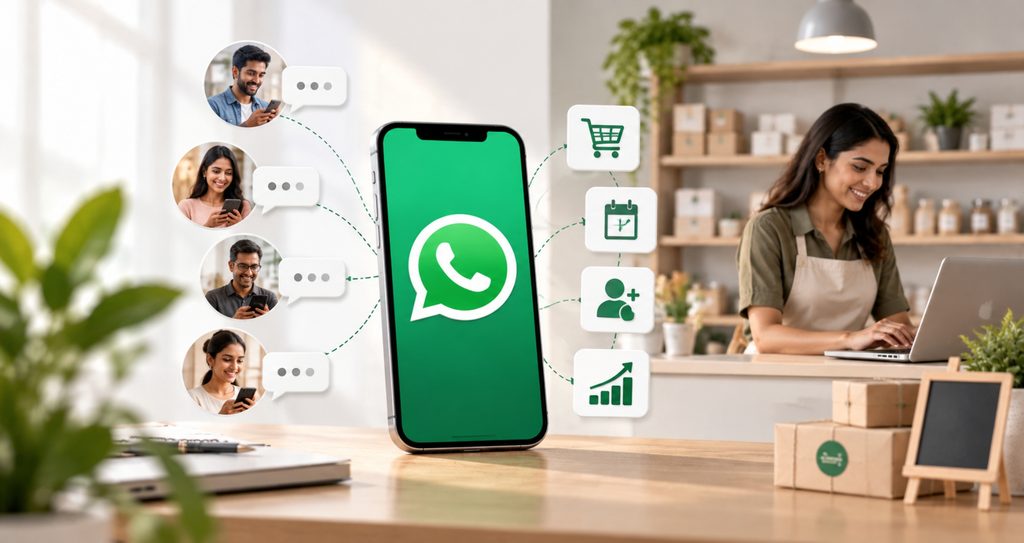
Many customers already use WhatsApp every day. They may feel more comfortable asking questions through a chat than filling out a long enquiry form.
For example, a person looking for a digital marketing course may want to ask about fees, course duration, batches, and placement support before making a decision. WhatsApp allows the business to answer these questions quickly.
It can help businesses:
- Respond to customer enquiries
- Share product or service details
- Send reminders and updates
- Build trust through regular communication
- Move interested users closer to a purchase
- Collect leads from social media and websites
The goal is not to message everyone. The goal is to start useful conversations with genuinely interested people.
1. Create a Complete WhatsApp Business Profile
Your WhatsApp Business profile is often the first thing a potential customer sees. A missing profile photo, unclear business description, or incomplete contact information can make your business look less trustworthy.
Add the following details:
- Business name
- Professional profile photo or logo
- Short business description
- Business category
- Working hours
- Website link
- Location, if relevant
- Product or service catalogue
Your description should clearly explain what you offer and who you help.
For example:
We help small businesses improve their online presence through SEO, social media marketing, and digital advertising.
Avoid adding too many claims. Keep the information clear and useful.
2. Use Click-to-WhatsApp Links
One of the easiest WhatsApp Marketing Strategies is to make it simple for people to start a conversation.
You can add a WhatsApp link to:
- Your website
- Instagram bio
- Facebook page
- Google Business Profile
- Email signature
- Blog posts
- Online advertisements
You can also create a pre-filled message. For example:
Hello, I would like to know more about your digital marketing course.
This saves time for the customer and gives your team a clear starting point.
Place the link near a relevant call to action, such as:
- Ask for course details
- Get a product price
- Book a consultation
- Check available batches
- Request a free quote
3. Share Useful Content Instead of Only Promotions
Sending only sales messages can make people mute or block your business. A better approach is to share content that helps customers solve small problems.
You can share:
- Quick tips
- Product usage ideas
- Answers to common questions
- Short videos
- Customer FAQs
- New service updates
- Behind-the-scenes information
- Helpful blog posts
For example, a nutritionist can share a simple, healthy breakfast idea. A digital marketing institute can share a short SEO tip or explain how Google Search works.
A useful message may create more trust than a direct sales pitch.
Before sending any message, ask yourself:
Would this information be useful to the person receiving it?
If the answer is no, do not send it.
4. Use WhatsApp Status Regularly
WhatsApp Status works like a simple daily update channel. It is useful for staying visible without sending direct messages to every contact.
You can post:
- New offers
- Customer reviews
- Course announcements
- Product arrivals
- Limited-time updates
- FAQs
- Short educational tips
- Polls or questions
Try to keep your Status updates clear and easy to understand. Use one main idea per update.
For example, a digital marketing institute could post:
Want to learn SEO from the basics? New classroom batches are starting soon. Message us for details.
Do not post only promotional content. A mix of educational and business-related updates usually feels more natural.
5. Set Up Greeting Messages and Quick Replies
Small businesses often receive the same questions repeatedly. WhatsApp Business allows you to prepare quick replies for common enquiries.
You can create replies for:
- Course fees
- Business hours
- Location
- Product prices
- Appointment booking
- Delivery information
- Service details
- Payment methods
A greeting message can be simple:
Hello, thank you for contacting us. Please tell us what you would like to know, and our team will get back to you shortly.
Quick replies save time, but they should not sound robotic. Personalise the conversation once the customer shares their requirement.
For example, instead of sending only a course brochure, ask:
Are you looking for a beginner-level course, or do you already have some digital marketing experience?
This helps you understand the lead better.
6. Run Click-to-WhatsApp Ads
Businesses can use Facebook and Instagram ads to bring interested users directly into a WhatsApp conversation.
These ads are useful for:
- Course enquiries
- Consultation bookings
- Product enquiries
- Event registrations
- Service quotations
- Local business leads
Your ad should include:
- A clear offer
- A specific audience
- A simple message
- One clear call to action
- A quick response process
For example:
Learn practical digital marketing skills through classroom training and live projects. Message us to know about the next batch.
Do not send every lead the same long message. Start with a short reply and ask one relevant question.
7. Follow Up Without Being Pushy
Following up is one of the most useful WhatsApp Marketing Strategies, but it needs to be done carefully.
Some customers may be interested but busy. Others may need more time before making a decision. A polite follow-up can remind them without creating pressure.
A simple follow-up message could be:
Hello, just checking if you had a chance to review the details. Please let us know if you have any questions.
If the person does not respond, avoid sending repeated messages every day. Give them space and contact them again only when you have a useful update.
You can also ask:
Would you prefer to receive more details here or speak with someone from our team?
This gives the customer control over the conversation.
Common WhatsApp Marketing Mistakes to Avoid
Even good WhatsApp Marketing Strategies can fail when businesses use them poorly.
Avoid these mistakes:
- Sending messages without permission
- Messaging customers too frequently
- Using long and confusing messages
- Sharing only promotional content
- Ignoring customer replies
- Using unclear calls to action
- Adding people to groups without consent
- Sending the same message to every customer
- Failing to track enquiries
- Making exaggerated claims
Respecting customer privacy is essential. Always communicate with people who have shown interest or agreed to receive updates.
WhatsApp Marketing vs Email Marketing
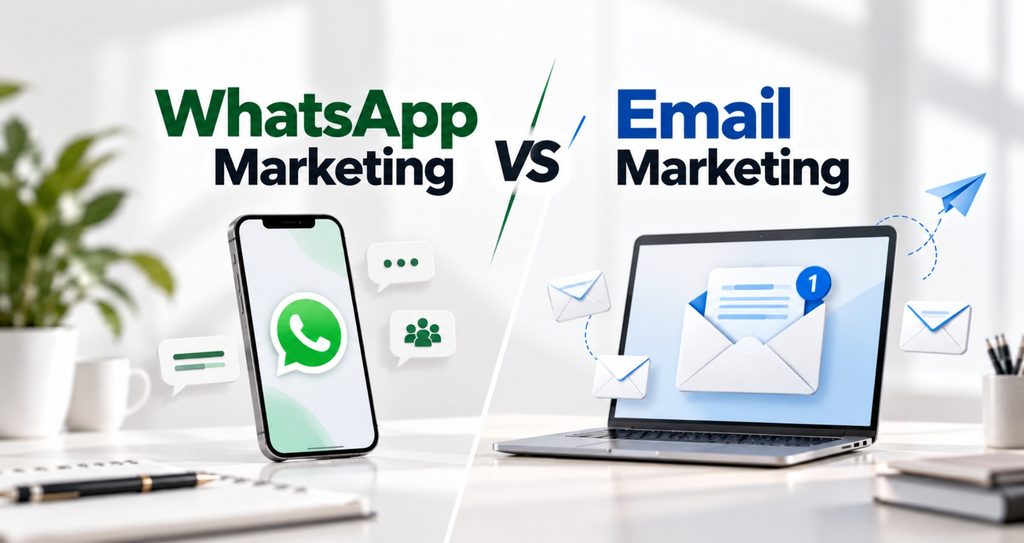
| Feature | WhatsApp Marketing | Email Marketing |
| Communication style | Direct and conversational | More formal and detailed |
| Response speed | Usually quick | Can take longer |
| Best for | Enquiries, reminders, quick updates | Newsletters, detailed information |
| Personal interaction | High | Moderate |
| Message length | Short and focused | Short or long |
| Customer expectation | Fast replies | Replies may take more time |
Both channels can work well. The right choice depends on your audience, message, and business goals.
How to Measure WhatsApp Leads
Do not measure success only by the number of messages sent. Track actions that show real interest.
You can measure:
- Number of incoming enquiries
- Clicks on WhatsApp links
- Replies to campaigns
- Consultation bookings
- Product enquiries
- Qualified leads
- Sales from WhatsApp
- Cost per lead from ads
Use different pre-filled messages for different platforms. For example, your Instagram link can use one message, while your website link uses another. This helps you understand where the leads are coming from.
Final Thoughts
WhatsApp can be a useful lead-generation channel for small businesses when it is used for helpful conversations rather than constant promotion. The best WhatsApp Marketing Strategies focus on trust, quick responses, useful content, and respectful follow-ups.
Start with a complete business profile and a simple WhatsApp link. Then build a regular content routine and track which messages bring genuine enquiries.
For learners who want to understand WhatsApp marketing along with SEO, social media, and other practical skills, joining the Best Digital Marketing Course in Nagpur can help build a stronger foundation.
Frequently Asked Questions
What is WhatsApp marketing?
WhatsApp marketing is the use of WhatsApp to communicate with customers, share business information, promote products or services, answer questions, and generate leads. Businesses can use WhatsApp Business features such as profiles, catalogues, quick replies, Status updates, and click-to-WhatsApp links to manage customer conversations.
How can WhatsApp generate leads?
WhatsApp can generate leads by giving interested people an easy way to contact a business. Businesses can add WhatsApp links to their website, social media profiles, and advertisements. Once a person starts a conversation, the business can answer questions, share details, understand the requirement, and guide the person toward the next step.
Is WhatsApp Business free?
WhatsApp Business offers several free features, including business profiles, quick replies, greeting messages, Status updates, and catalogues. Some advanced business communication features or advertising activities may involve costs. Businesses should check the current pricing and feature availability before choosing a paid service.
How often should businesses send WhatsApp messages?
There is no fixed number that works for every business. Send messages only when you have something useful to share. Avoid messaging customers too frequently because this can reduce trust. A few helpful updates each week may work better than sending several promotional messages every day.
What should a business do if a customer does not reply?
If a customer does not reply, send one polite follow-up after a reasonable gap. Avoid repeated messages that may feel intrusive. You can ask if they still need help or whether they would prefer not to receive further updates. Respect their response and give them control over future communication.
Is WhatsApp better than email marketing?
WhatsApp is useful for quick conversations, reminders, enquiries, and personal support. Email is better for newsletters, detailed information, and longer updates. Neither channel is always better. Many businesses use both, depending on the customer’s preference and the purpose of the message.

